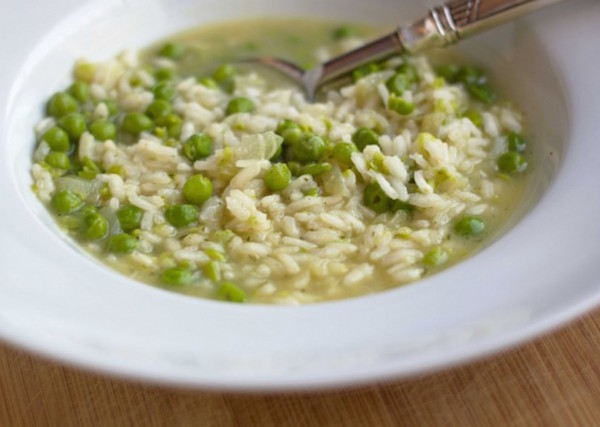
For my second regional dish I decided I would look at Italy and in particular risi e bisi, of the Veneto region. The dish combines rice and peas into a first course that is sometimes described as halfway between a risotto and soup. It has royal origins, served in the days of the Venetian Republic, however, it is created using the simple ingredients of peas and rice that were accessible also to the poor, creating a regional dish enjoyed by all that’s able to express the identity and history of the people. This is emblematic of the top-down approach discussed in lectures, but one that is made affective due to the availability of produce for everyone. Some have claimed that the dish shouldn’t be ordered outside Veneto, where the rice crops are plentiful and valued, which offers a connection to place that is emphasised in Ferguson’s Culinary Nationalism which discusses the concept that food is tied to a particular area. Traditionally, the dish is served in spring, due to the timing of the pea harvest, yet, overtime this seasonal barrier was reduced by the increased availability of produce all-year round. This entrée still remains an important identity marker for many Venetians and during the Italian unification was even consumed with strawberries to show the colours of the Italian flag (red, green and white). It quickly travelled to many eastern Adriatic cities, Greece, Turkey and Lebanon, where it is still featured in many restaurants; and with the rise of globalisation it can now be enjoyed almost anywhere. This has created adaptations of the dish, including the shift in seasonality as well as the transition into a main meal in some locations, reflecting the innovation that coincides with migration.
The simple but classic Risi e Bisi
 A Taste of Migration